One system for every property and client
- Client
- Aruba Real Estate CRM
- Service
- Custom CRM platform
- Location
- Aruba
- Website
- arubarealestatebrokers.com
The business
Aruba Real Estate handle a large portfolio of property for sale and for rent, along with the tenants, applications and payments that come with it. The portfolio was growing and the team with it.
What held the whole thing together was a set of spreadsheets, folders and inboxes, each one holding a different piece of the same job.
The problem
Nothing lived in one place. A property's details sat in one file, the client interested in it in another, and the payment history in a third. Answering a simple question, who is renting this and what is still outstanding, meant opening three things and hoping all three were current.
Manual work like that costs more than time. Enquiries get missed, renewals come round unnoticed, and nobody can see how the business is really doing until someone sits down and adds it up.
The solution
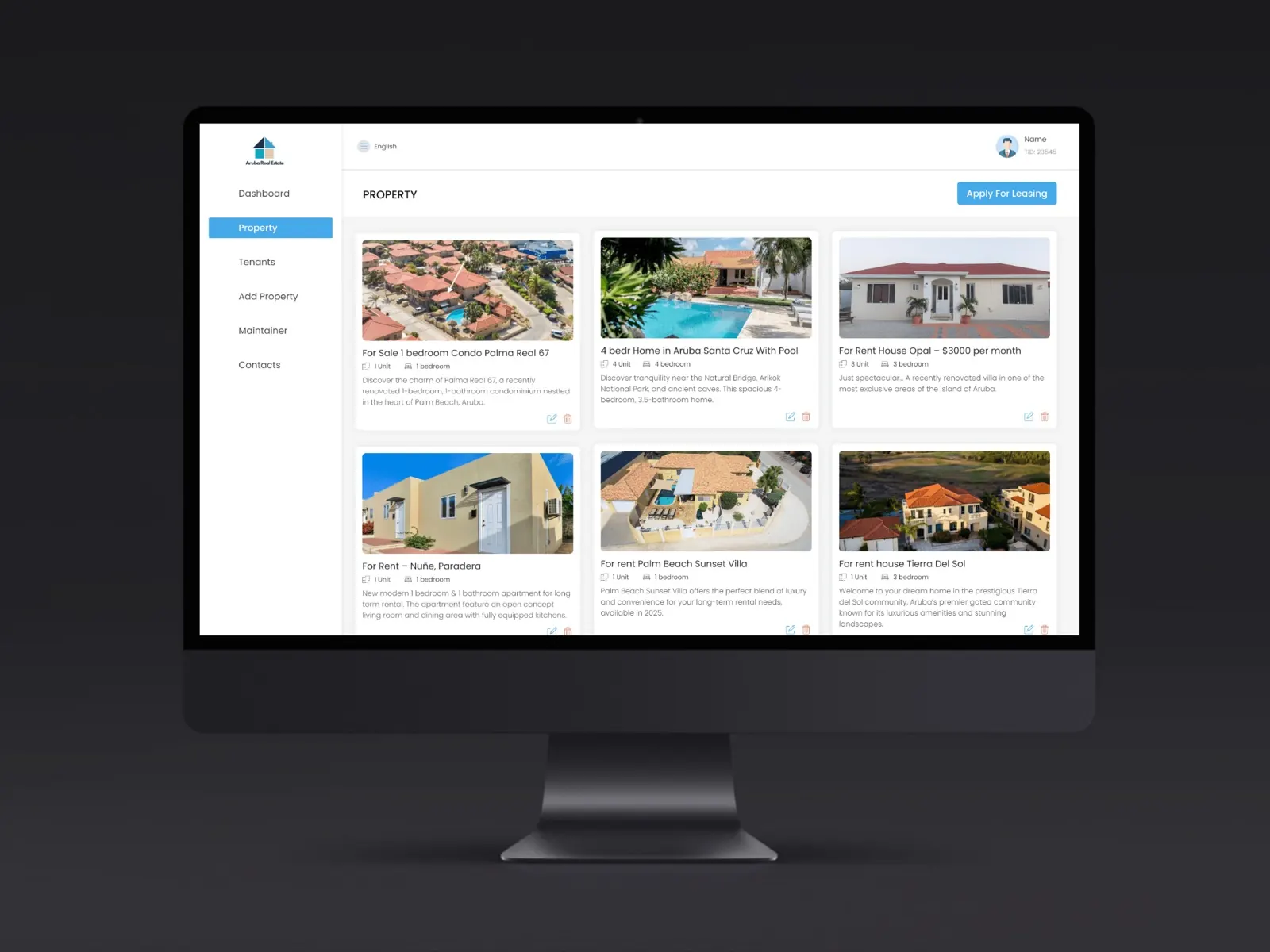
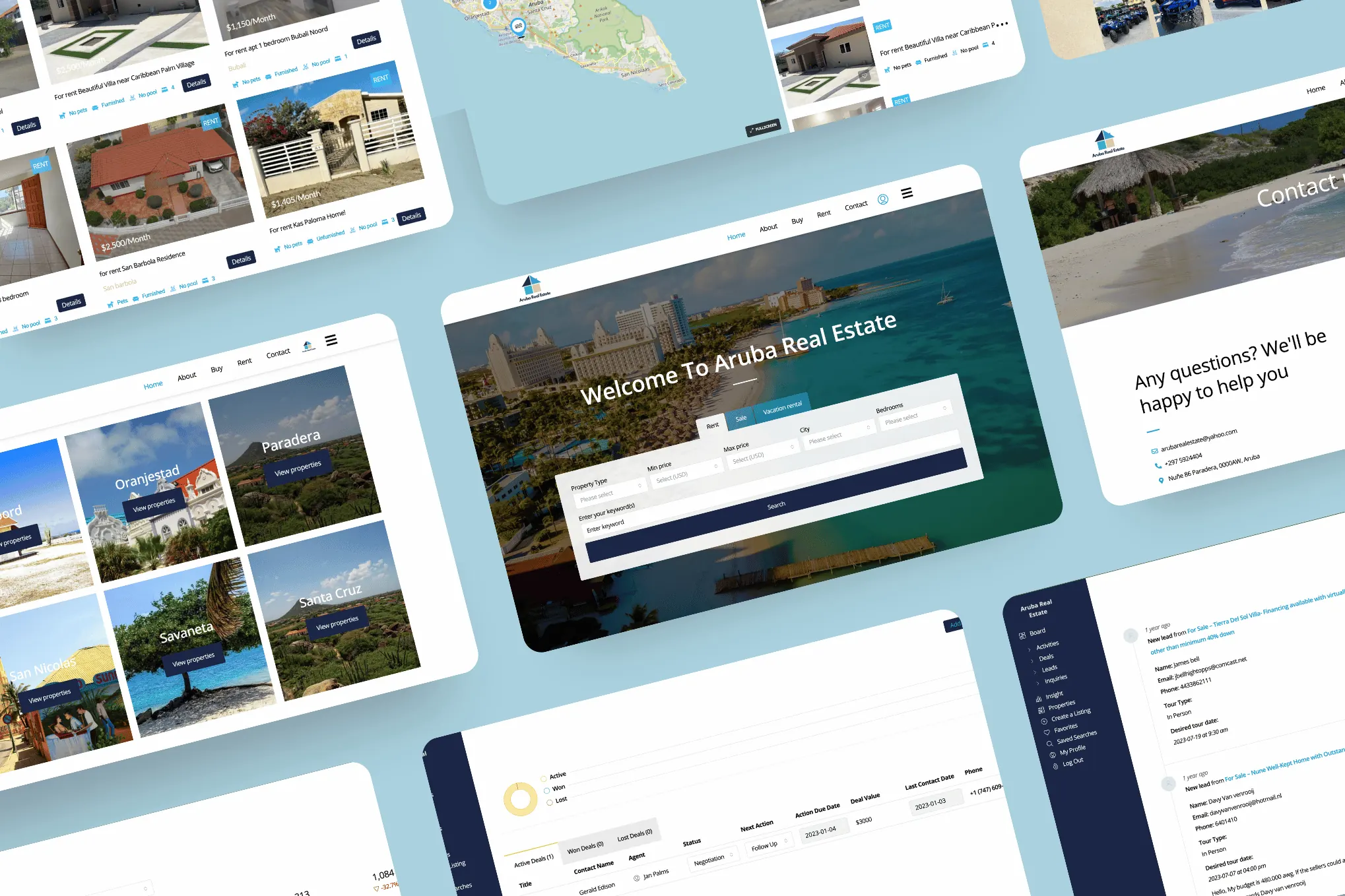
We built them a CRM of their own, shaped around the way brokers actually work rather than a general tool they would have to bend. Properties, tenants, applications and payments all live in one place, and each one is tied to the others.
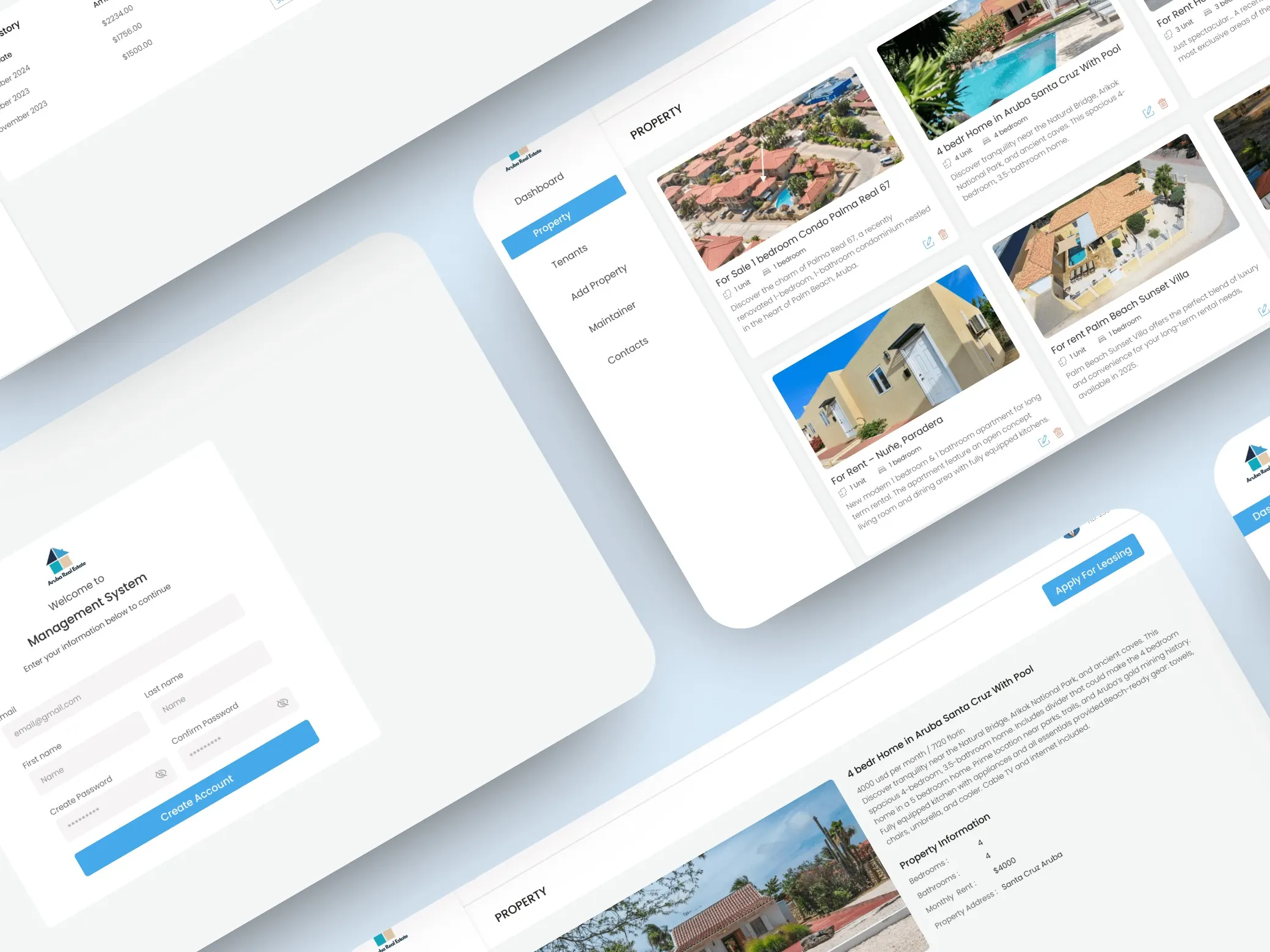
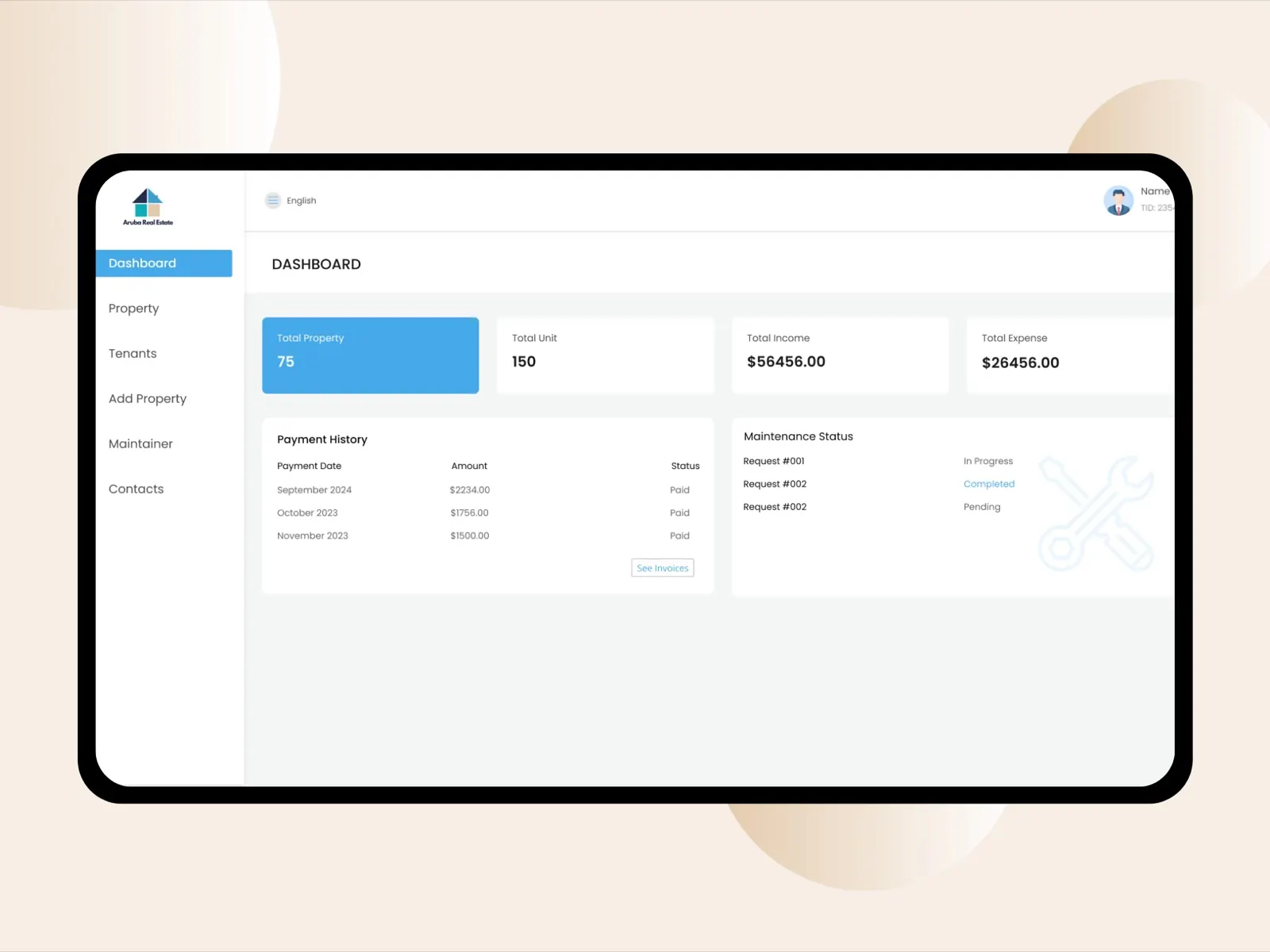
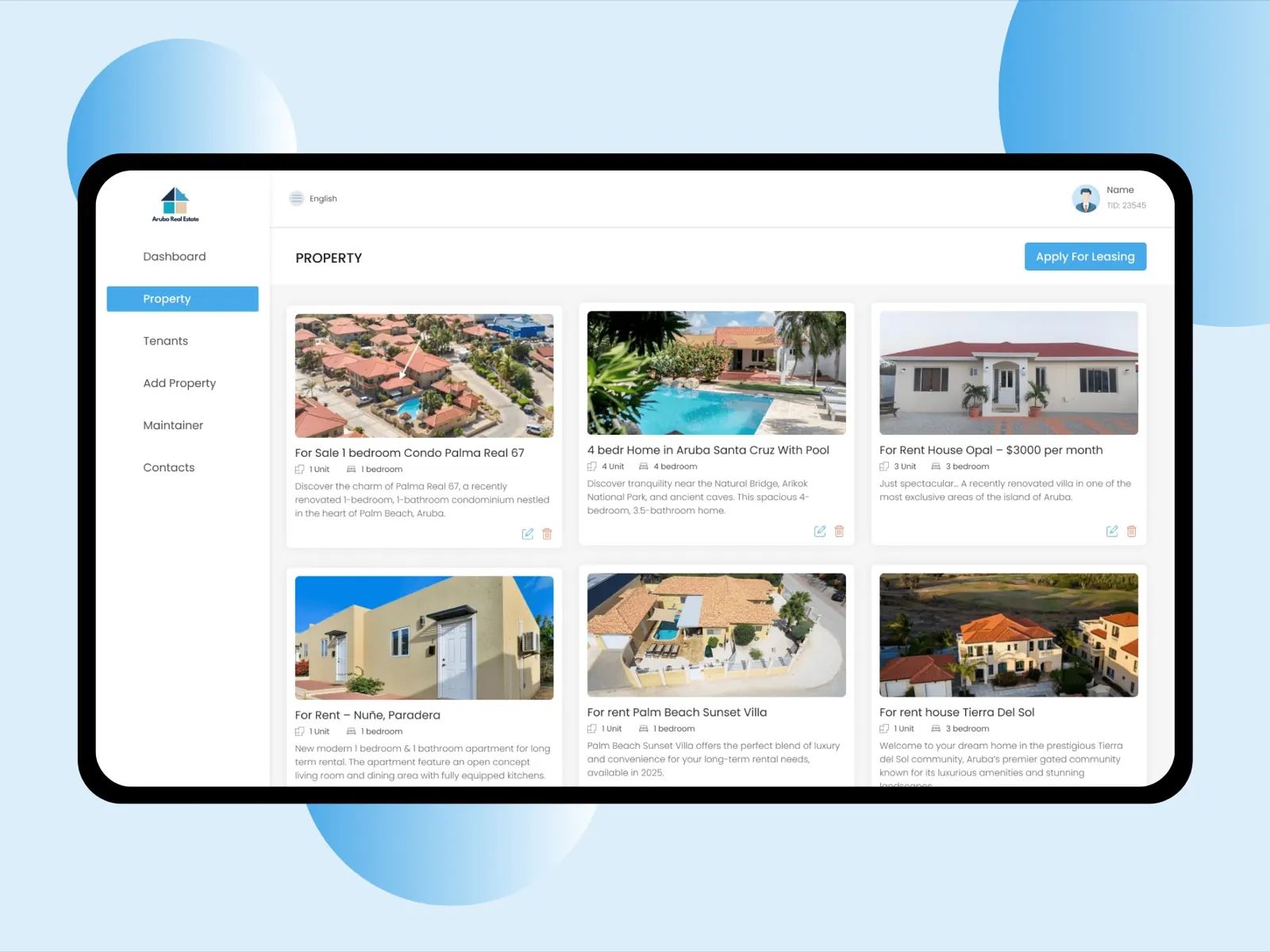
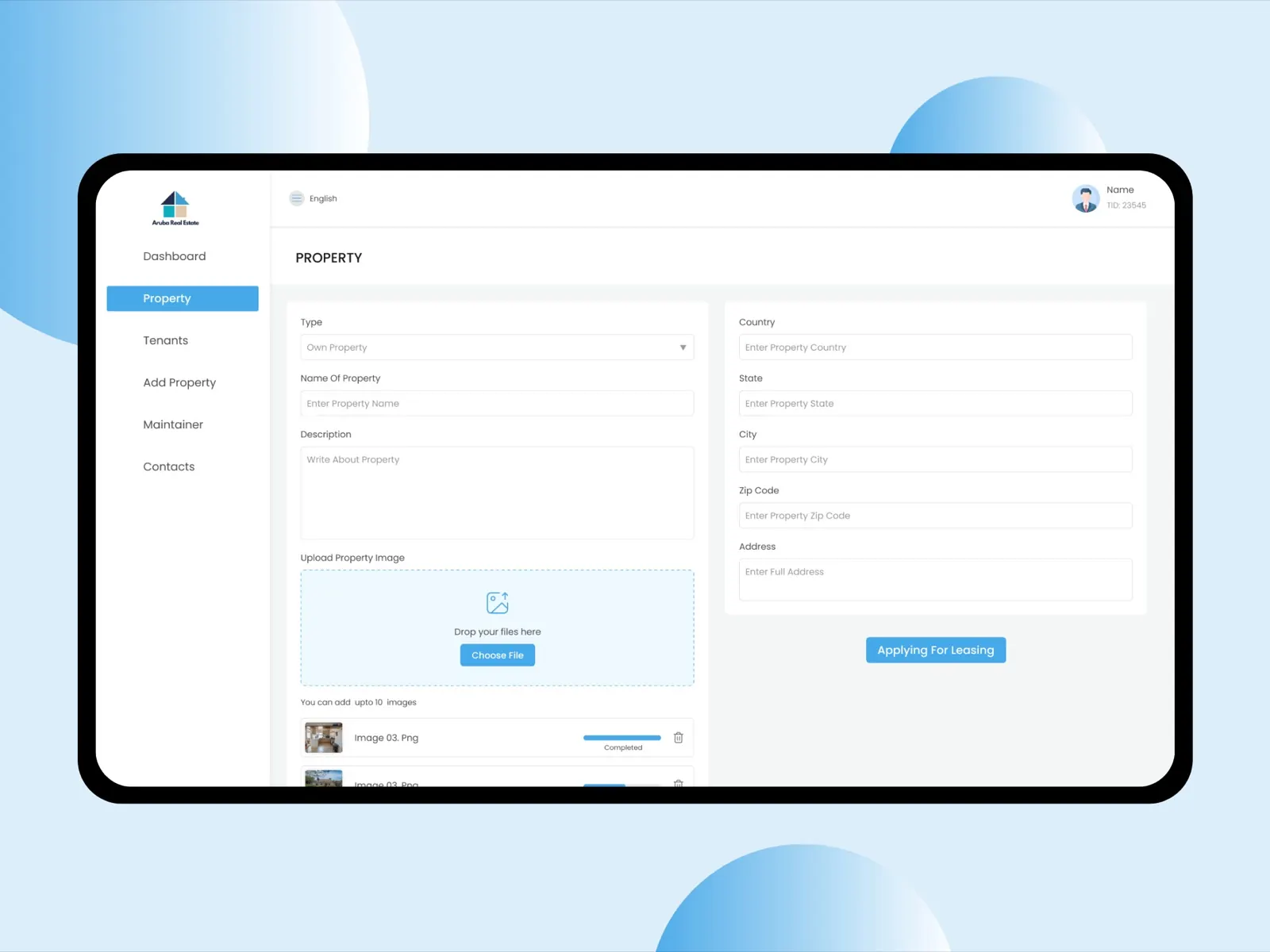
The dashboard is the front door: total properties, units, income, expenses, payment history and open maintenance, all on one screen. Adding or editing a listing is a single form with its photos, description and availability. Leasing runs through the system too, so an applicant uploads their documents, follows where they are, and talks to an agent without anything leaving the platform.
- A central dashboard: properties, units, income, expenses and payment history on one screen
- Property management, with photos, descriptions and availability in a single form
- An online leasing flow where applicants upload documents and track their progress
- Tenant records and maintenance requests, tied to the properties they belong to
The results
Sales conversions rose by 30% and property enquiries by 28%, with fewer leads falling through the gaps between systems.
Payment efficiency improved by 50%, which means money arriving when it should and a far clearer view of cash flow.

Not sure where to start?
 Kevin Jeffersoninfo@letsbuildthatsite.com